Exploring Inclusive Design Education Through Touch, Vision and Assistive Technology
Design education should not be limited by how we see or hear
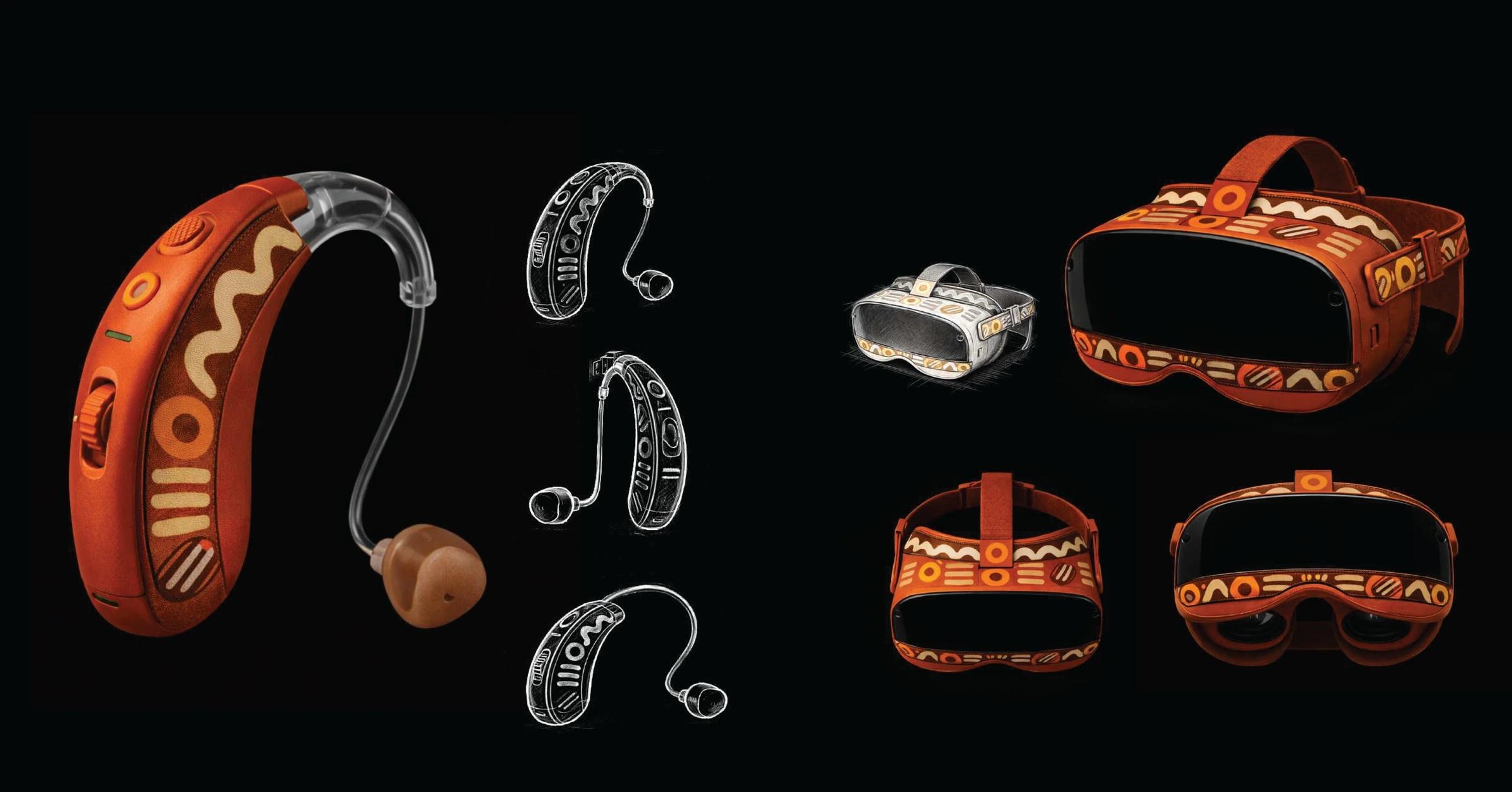
Design education is traditionally organised around visual demonstrations, screen-based tools, spoken instruction, and studio-based collaboration. For learners with visual or auditory impairments, these practices can create barriers to accessing information, learning technical skills, and participating fully in creative environments. Beyond the Senses is a proposed research initiative exploring how assistive technology, multisensory learning, and inclusive teaching methods can make design education more accessible to people who are blind, have low vision, are deaf, or are hard of hearing. Led by the Africa Center for Design Research, the project will investigate alternative ways for learners to understand design principles, interact with creative software, develop ideas, and communicate their work. The research will focus on two principal areas: touch as a means of accessing visual information, and vision as a means of accessing information for learners with auditory impairments. Assistive technology and accessible teaching practices will connect these approaches. The long-term ambition is to develop practical, evidence-informed methods that can be adapted by creative institutions across Africa.
Creative potential should not be restricted by inaccessible learning environments
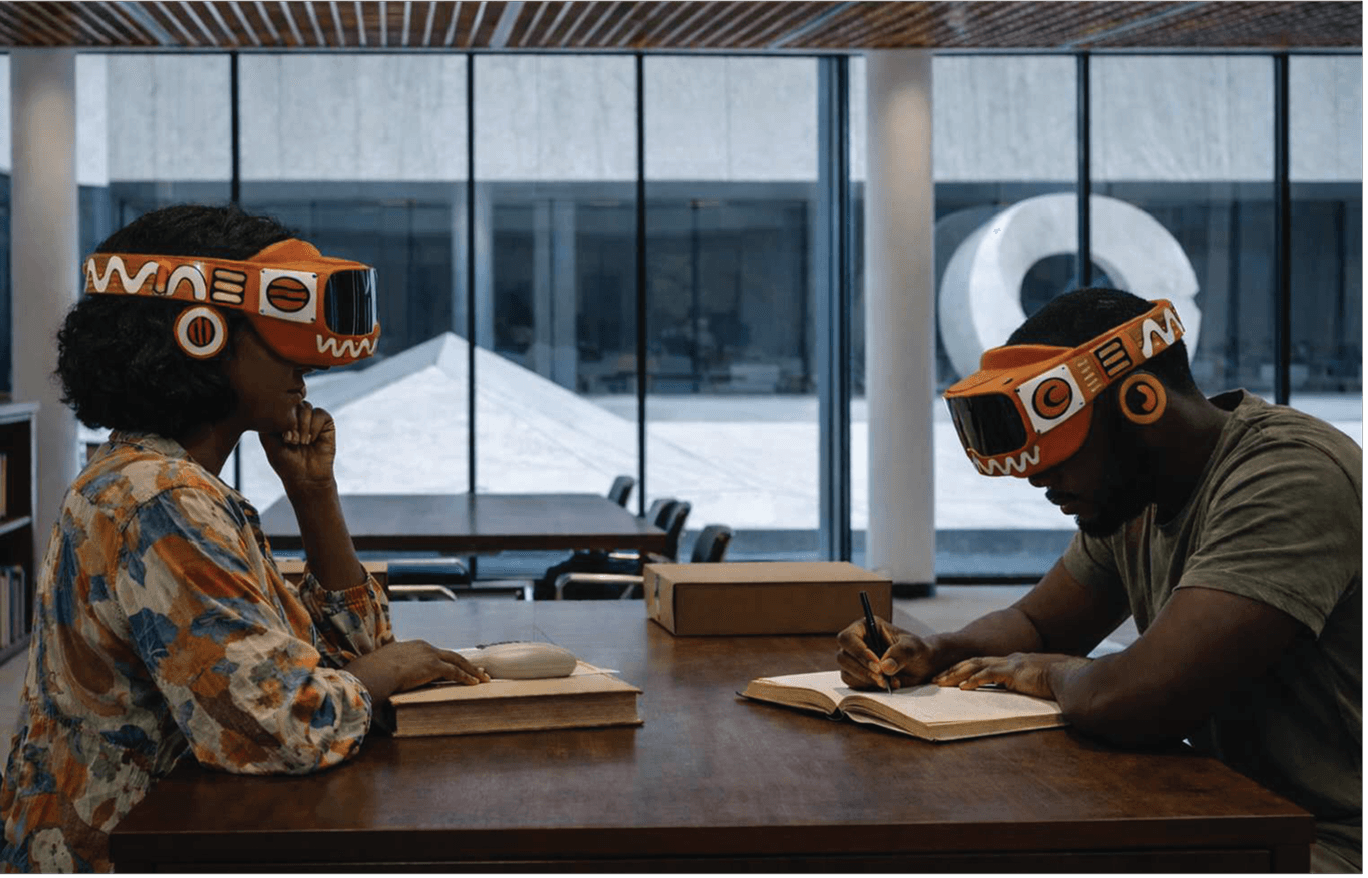
Design shapes how people communicate, understand information, interact with technology, and experience the world. Yet the education required to enter this profession can present barriers to learners whose sensory abilities differ from those assumed by conventional teaching methods. For a blind student, interpreting a composition or navigating a graphics application may require alternative forms of access. For a deaf student, a lecture without captions or sign language interpretation can make essential instruction inaccessible. These challenges raise a broader question: are creative learning environments designed to accommodate different learners, or do they expect learners to adapt to a single way of learning? Beyond the Senses is motivated by the opportunity to investigate this question through design research.
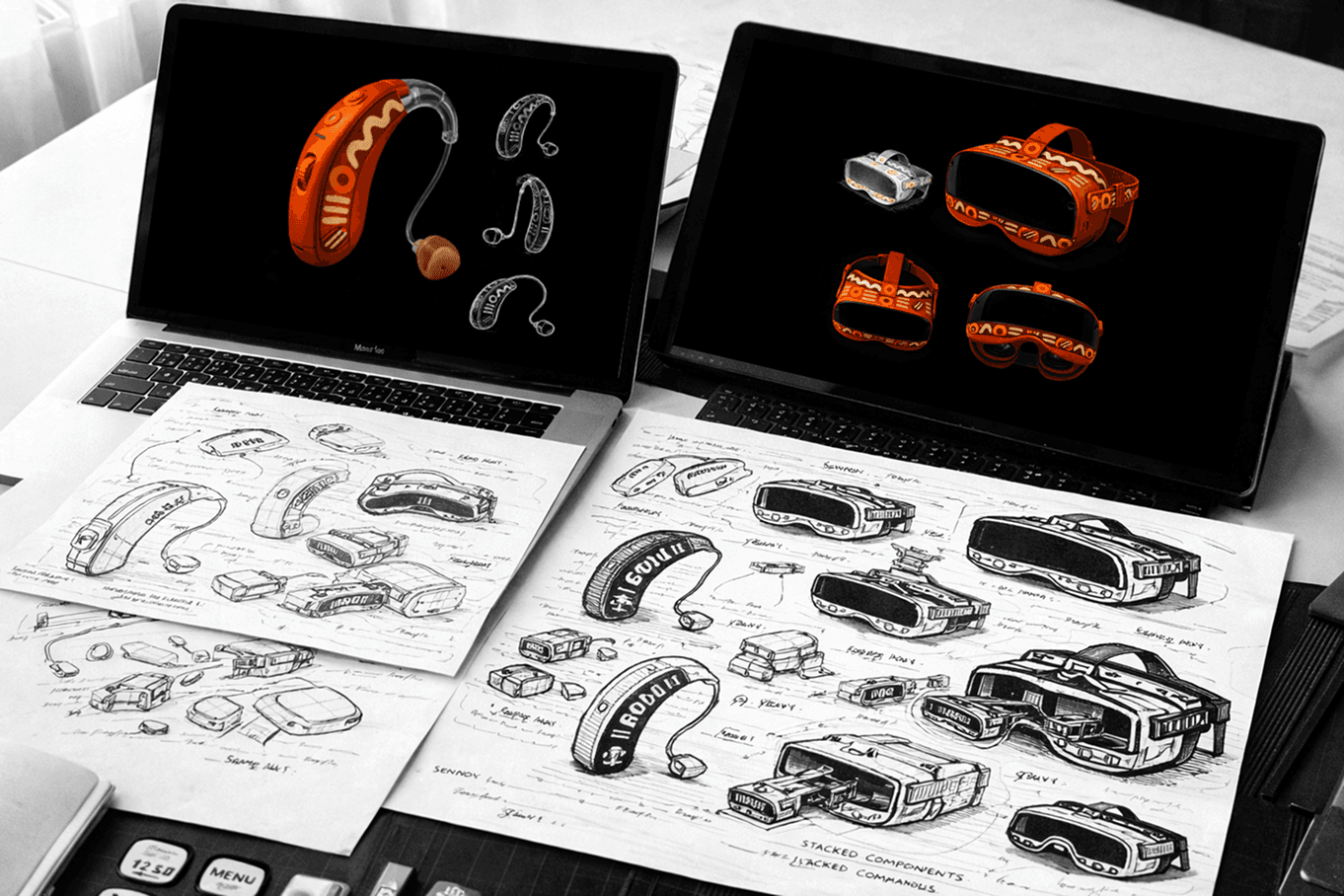
The project seeks to move beyond providing individual accommodations towards examining how learning materials, classroom practices, software, and creative workflows can be made more inclusive from the beginning. For ACDR, this creates an opportunity to connect design education with disability inclusion, assistive technology, and locally relevant innovation. It also opens a pathway for disabled learners to contribute as creative practitioners, researchers, and developers of new design methods. The motivation is not to assume that every design task can be experienced in the same way by everyone. It is to investigate how meaningful access, creative participation, and professional development can be expanded.
Research begins by understanding people before developing solutions.
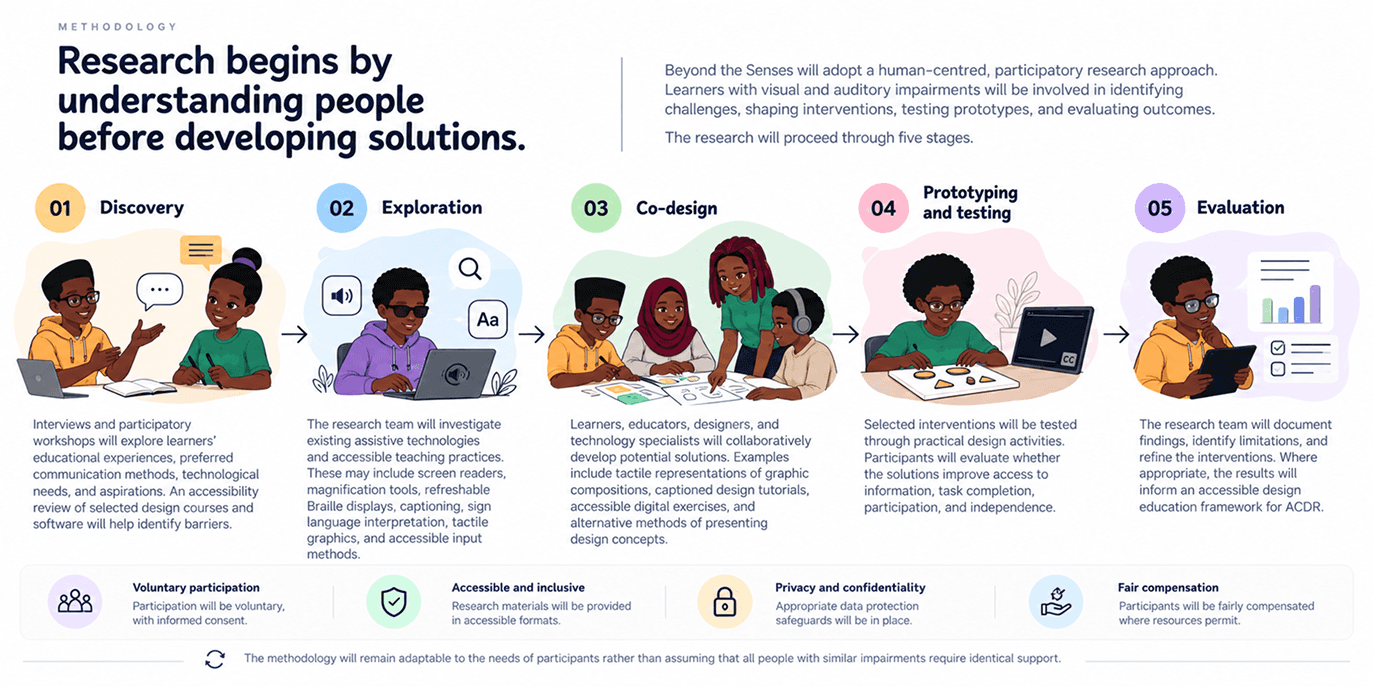
Beyond the Senses will adopt a human-centred, participatory research approach. Learners with visual and auditory impairments will be involved in identifying challenges, shaping interventions, testing prototypes, and evaluating outcomes.
The research will proceed through five stages
- 01 — Discovery
Interviews and participatory workshops will explore learners’ educational experiences, preferred communication methods, technological needs, and aspirations. An accessibility review of selected design courses and software will help identify barriers.
- 02 — Exploration
The research team will investigate existing assistive technologies and accessible teaching practices. These may include screen readers, magnification tools, refreshable Braille displays, captioning, sign language interpretation, tactile graphics, and accessible input methods.
- 03 — Co-design
Learners, educators, designers, and technology specialists will collaboratively develop potential solutions. Examples include tactile representations of graphic compositions, captioned design tutorials, accessible digital exercises, and alternative methods of presenting design concepts.
- 04 — Prototyping & testing
Selected interventions will be tested through practical design activities. Participants will evaluate whether the solutions improve access to information, task completion, participation, and independence.
- 05 — Evaluation
The research team will document findings, identify limitations, and refine the interventions. Where appropriate, the results will inform an accessible design education framework for ACDR.
Participation will be voluntary, with informed consent, accessible research materials, appropriate privacy safeguards, and fair compensation where resources permit. The methodology will remain adaptable to the needs of participants rather than assuming that all people with similar impairments require identical support.
Making selected visual information accessible through physical experience
Touch offers an alternative way to explore certain forms, structures, spatial relationships, and patterns. Through tactile learning resources, information that would ordinarily be presented visually can be represented in ways that can be explored by hand. The project will investigate how tactile experiences can support the teaching of graphic design and related disciplines. Potential experiments include raised-line illustrations of layouts, physical representations of letterforms, textured models of geometric compositions, and three-dimensional objects that explain packaging structures or interface arrangements.
For example, a conventional poster communicates hierarchy through differences in size, placement, contrast, and visual emphasis. A tactile learning resource could represent selected relationships through raised elements, distinct textures, and spatial arrangements. A student could then explore how those elements relate to one another. The project will also investigate how physical models and tactile representations can be combined with audio descriptions, Braille labels, and accessible digital content.
Research question: How can tactile representations help learners with visual impairments understand selected design principles and participate in creative problem-solving? The project will examine whether these approaches improve comprehension, recall, and the ability to discuss or manipulate design elements. Touch will not be treated as a complete replacement for sight. Colour, visual texture, and other visual properties cannot always be communicated adequately through physical representations. The objective is to identify which concepts can be meaningfully translated into tactile experiences and how those experiences can support learning.
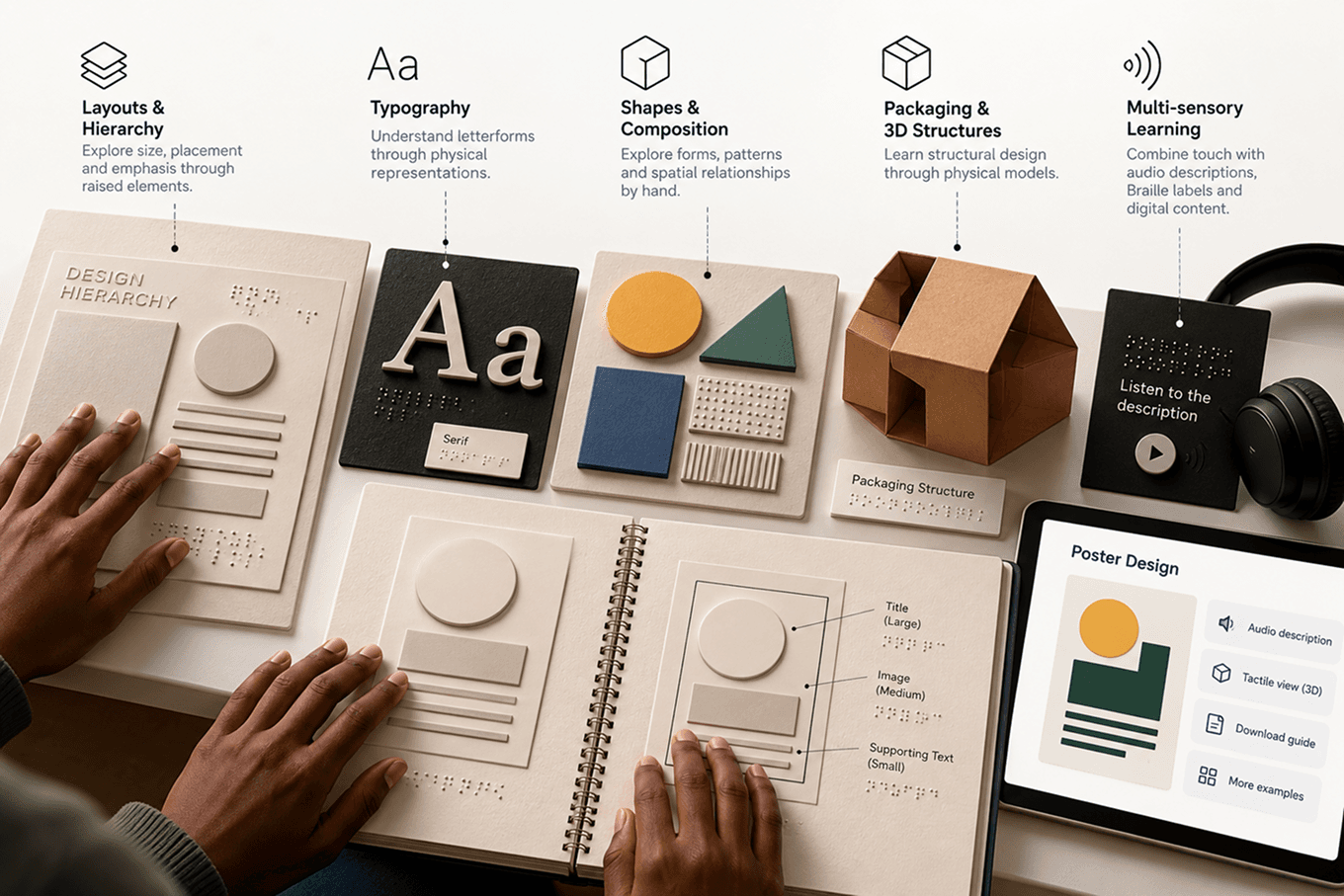
Making visual learning environments accessible to deaf and hard-of-hearing learners.
Vision plays an important role in accessing information when spoken communication is unavailable or insufficient. Captions, written instructions, diagrams, visual demonstrations, and accessible digital interfaces can help make teaching more inclusive. Beyond the Senses will investigate how visual communication can support learners with auditory impairments throughout the design learning process. Potential interventions include live captioning, captioned instructional videos, written lecture materials, visual alerts, structured demonstrations, and sign language interpretation where required. For example, an animation lecturer explaining a sequence of technical steps could provide captions, a visual demonstration, and written instructions. Students could revisit these resources independently rather than relying exclusively on spoken explanations. The research will also explore how design studios can support communication during collaborative projects, peer reviews, and critiques. Visual communication tools should help students follow discussions, understand feedback, and contribute their own ideas.
Research question: How can visual communication and accessible teaching resources improve participation and understanding among deaf and hard-of-hearing design students? Evaluation will consider comprehension, access to instruction, participation in group activities, and the usefulness of different communication methods. The research will recognise that deaf and hard-of-hearing learners have diverse communication preferences. Visual information alone will not meet everyone's needs; some students may require sign language interpretation, assistive listening technology, or other forms of communication support.
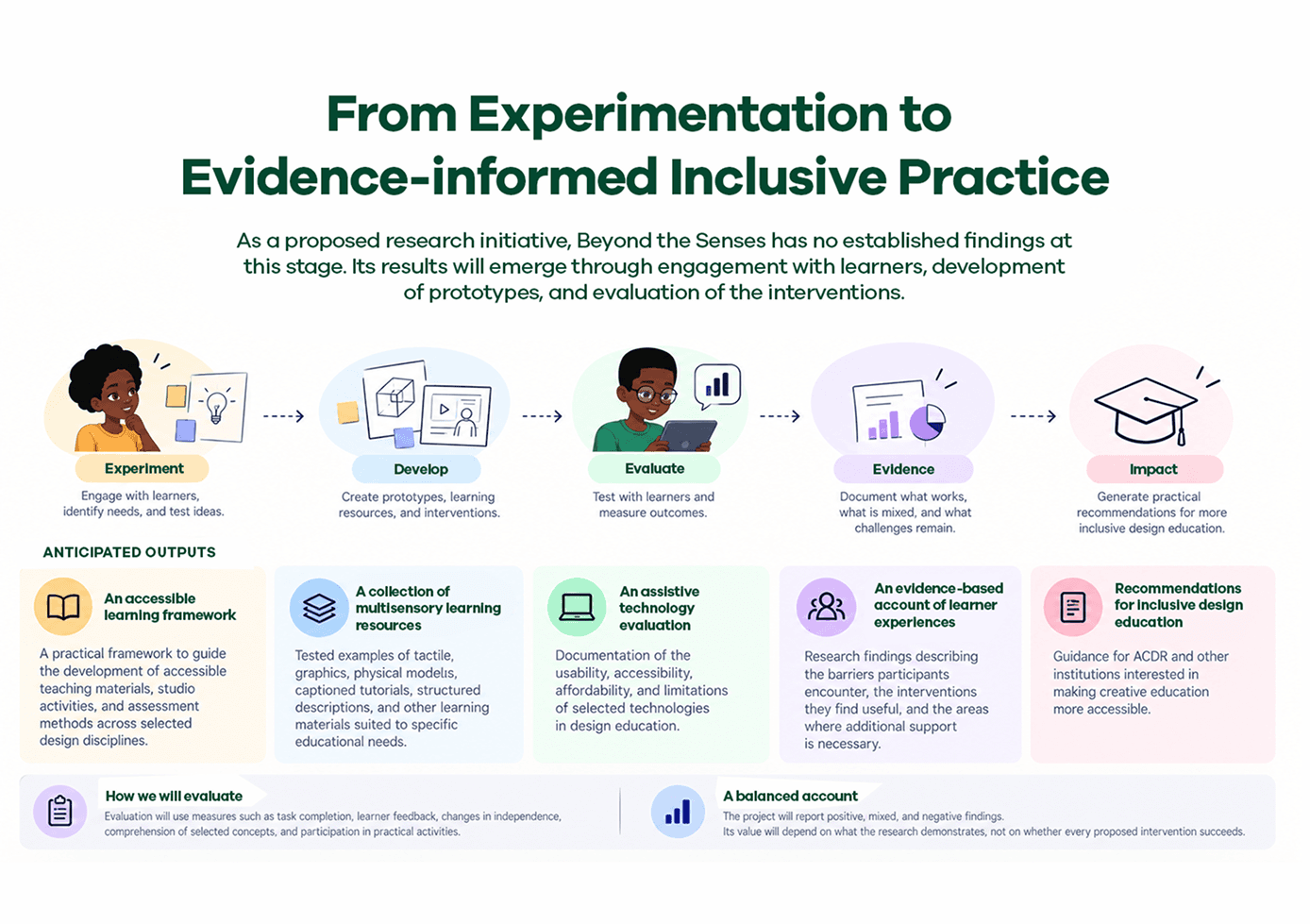
From experimentation to evidence-informed inclusive practice.
As a proposed research initiative, Beyond the Senses has no established findings at this stage. Its results will emerge through engagement with learners, development of prototypes, and evaluation of the interventions.
The anticipated outputs include:
- An accessible learning framework
- A practical framework to guide the development of accessible learning materials, studio activities, and assessment methods across selected design disciplines.
- A collection of multisensory learning resources
- Tested examples of tactile graphics, physical models, captioned tutorials, structured descriptions, and other learning materials suited to specific educational needs.
- An assistive technology evaluation
- Documentation of the usability, accessibility, affordability, and limitations of selected technologies in design education.
- An evidence-based account of learner experiences
- Research findings describing the barriers participants encounter, the interventions they find useful, and the areas where additional support is necessary.
- Recommendations for inclusive design education
- Guidance for ACDR and other institutions interested in making creative education more accessible.
Accessibility requires more than a single tool or universal solution
Beyond the Senses recognises that the relationship between sensory ability and design practice is complex. The research will need to account for individual preferences, different levels of impairment, prior experience, and the varied demands of creative disciplines.
These limitations will guide the research rather than undermine it. Identifying what does not work is an essential part of developing more effective inclusive learning methods.
Who is Beyond the Senses for?
The project focuses on learners who are blind, have low vision, are deaf, or are hard of hearing, while also involving educators, designers, technologists, and other stakeholders in inclusive creative education.
Who is Beyond the Senses for?
The project focuses on learners who are blind, have low vision, are deaf, or are hard of hearing, while also involving educators, designers, technologists, and other stakeholders in inclusive creative education.
Does the project aim to create a separate design school for disabled students?
No. Its ambition is to investigate how existing and future design learning environments can accommodate different sensory abilities and enable students to learn and collaborate within inclusive creative communities.
Can blind people study graphic design?
Blind learners can study many aspects of design, including design theory, brand strategy, research, accessible digital experiences, and creative problem-solving. Access to particular visual production tasks depends on the tools, workflows, learning objectives, and support available. The project will investigate how independent participation can be expanded.
What technologies will the project use?
Potential technologies include screen readers, Braille displays, magnification software, tactile graphics, 3D-printed models, captioning tools, and accessible digital learning resources. The final selection will depend on user research, practical testing, and cost.
Will the project develop its own assistive technology?
It may. The initial priority will be to evaluate existing solutions and identify unmet needs. Any new technology development will be based on evidence that existing tools do not adequately address a defined problem.
How will ACDR measure success?
Success will be evaluated through accessibility, usability, learner participation, task completion, learning outcomes, and the feasibility of applying the interventions in creative education.
Can the project be applied beyond Ghana?
Potentially. The research will begin within a defined local context, with the possibility of adapting validated methods for other African institutions. Broader applicability will depend on further testing, local needs, languages, infrastructure, and available resources.
What is the project’s long-term ambition?
To contribute evidence, learning resources, and practical methods that enable more people with visual and auditory impairments to participate in design education and the creative industries.